
Austin, Texas · the machine-mind beat
What AI is actually building in Austin
Austin talks a big game about artificial intelligence, and underneath the noise, a real one is being built: thousands of GPUs at the university, a chip fab rising to the northeast, startups shipping robots and voice agents from downtown lofts. This is the honest version of what is happening, who is doing it, and what it costs.
Where things stand
A real AI economy, not just a slogan
Every city with a tech sector now claims to be an “AI hub.” Austin has a better case than most, and it rests on unglamorous things: a public university running one of the country’s larger academic supercomputers, cheap-ish land and power that pulled data centers and a semiconductor build-out into the metro, and a deep bench of engineers who stayed after the last boom. Put those together and the AI story here is less about any single celebrity founder than about infrastructure quietly stacking up.
Compute at UTChips in TaylorStartups downtownThe fight at the Capitol
We try to write about it the way a skeptical neighbor would, genuinely interested, not dazzled. The wins are real and so are the trade-offs, and you will find both here in plain language.
The cast
Who is actually building it
The university & its labs
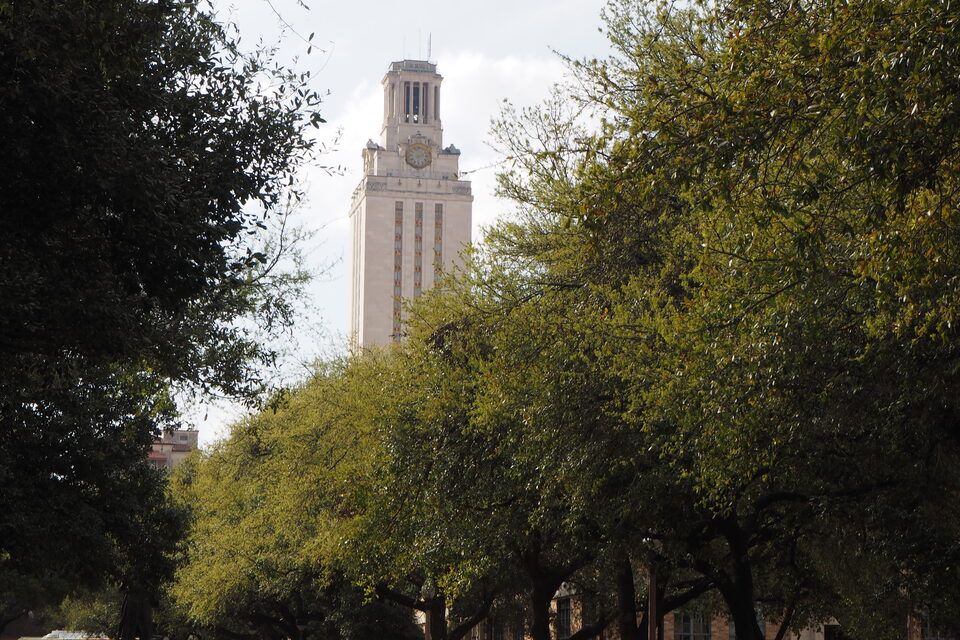
UT Austin is the gravitational center, the Texas Advanced Computing Center and its GPU clusters, open-source model work, digital-twin research, and a Dell Medical School pushing AI into clinical care. Much of the serious, patient science in town starts on the Forty Acres, not in a startup garage.
Big tech & the chips
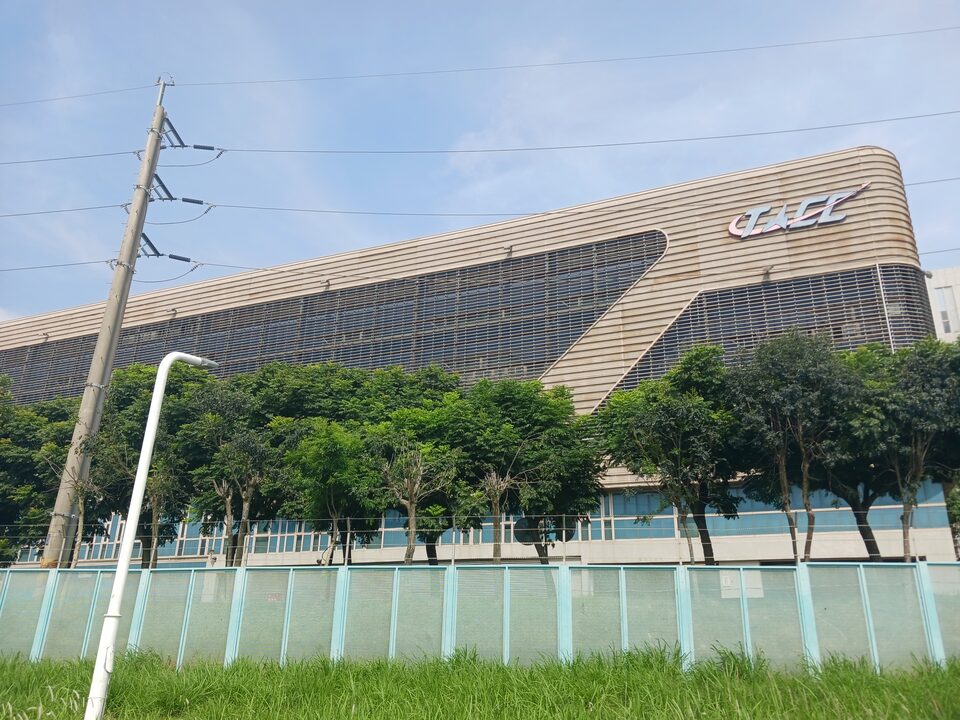
Dell anchors the enterprise side from Round Rock; Samsung’s fab build-out near Taylor and Tesla’s and xAI’s Texas ambitions put heavy silicon and compute within a short drive. These are the players whose capital decisions shape whether the rest of the scene has hardware to run on.
The startups
The livelier end: robotics firms scaling production, voice-AI answering the phones for restaurants, code-review tools getting acquired, video agents aimed at the factory floor. Most you have never heard of. A few will matter, and the churn itself is the point, this is where the next decade of the scene is being auditioned.
The research spine
The quiet engine on the Forty Acres
Strip away the headlines and the most durable AI work in Austin is academic. The Texas Advanced Computing Center runs supercomputers that researchers across the country schedule time on; UT has been standing up GPU capacity for open-source AI, digital twins of physical systems, and machine learning folded into the health sciences. It is slower than a startup and it outlasts them, the talent and the tools that spin out of it are half the reason the private scene exists at all.
Eyes open
What the boom actually costs
An AI build-out is not free money raining on a city. The data centers that train and serve these models are enormous consumers of electricity and water, and Central Texas was already arguing about both before the first GPU shipped. The same tools cutting costs for employers are cutting jobs, including tech jobs here. And the policy fights, over regulation, over AI in public services, over who is accountable when a model gets it wrong, are playing out at the Capitol and in city hall. We cover the bill as carefully as the benefits.
Find your way in
Dig into the scene
However you came to this, curious resident, job-seeker, founder, reporter, a few doors into what we track.
The Austin AI directory
Companies, labs and organizations working on AI around the metro, who they are and what they actually do.
What the labs are working on
The university and institutional research shaping the field, written for people who do not have a PhD in it.
Talks, meetups & demos
Where the Austin AI community actually gathers, from campus seminars to founder nights.
From the news desk
Latest on AI in Austin
We follow the labs, the deals, the chips and the fallout so you do not have to. A few recent reads:
UT’s AI-native hospital
What it could mean to design a hospital around machine intelligence from the ground up.
The data-center boom lands here
Texas is pulling in AI data centers fast, what Austin gains, and what it gives up.
5,000 GPUs for open-source AI
UT crosses a threshold that puts real, shareable compute behind academic AI.

The machine mind of Austin
Follow it honestly
The labs, the chips, the startups and the costs, tracked in one place, in plain words, kept current. Start where most people do.